 Snjallheimilið
Lights and switching
One module per lighting group in the ceiling box. Your switches keep working, but the lights also respond to schedules, motion sensors and dimming.
Lights that come on by themselves, sockets that switch themselves off, heating that follows the day and sensors that let you know. All in your existing switches and boxes, with Shelly modules that work without a connection to servers abroad.
You answer questions about the rooms, the lights and the sockets. The estimate shows the materials and a price range, with no commitment.
Lighting, heating control, sensors and automatic routines work together all day, from morning to night, for more comfort and safety and possible energy savings.
One module per lighting group in the ceiling box. Your switches keep working, but the lights also respond to schedules, motion sensors and dimming.
An energy meter in the distribution board shows what the house uses and when. Metered sockets switch off what was left on.
Heating by zone, curtains that follow the sun. All controlled from one app or Home Assistant.
A wiring drawing with IEC symbols, cable runs, wires and the distribution board. A parts list with a price range from Icelandic shops, so your electrician can get straight to work.
The estimate covers materials and design only: labour, boxes, conduit and travel come into the quote once the house has been looked at.
This is the material the estimate counts. What suits your house becomes clear once your answers are in.
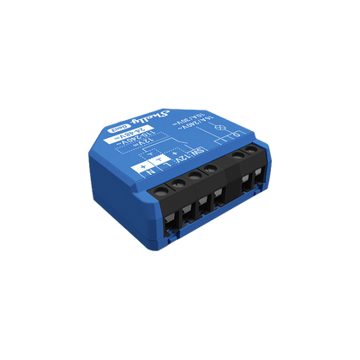
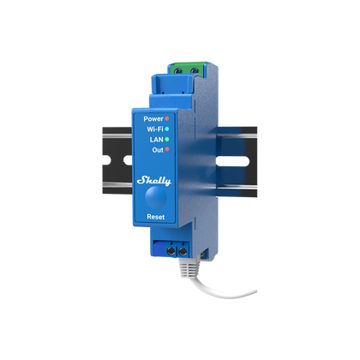
One Shelly module per light group, in the ceiling box or in the board on a DIN rail. The lights switch on and off from the wall switch as before, and also from the app, on a timer or from a motion sensor.
A dimmer for each dimmed light group, in the ceiling box, or in the board where two groups share one module. An ordinary rocker switch only switches on and off, so dimmed groups get a spring-return push button: hold it to dim.
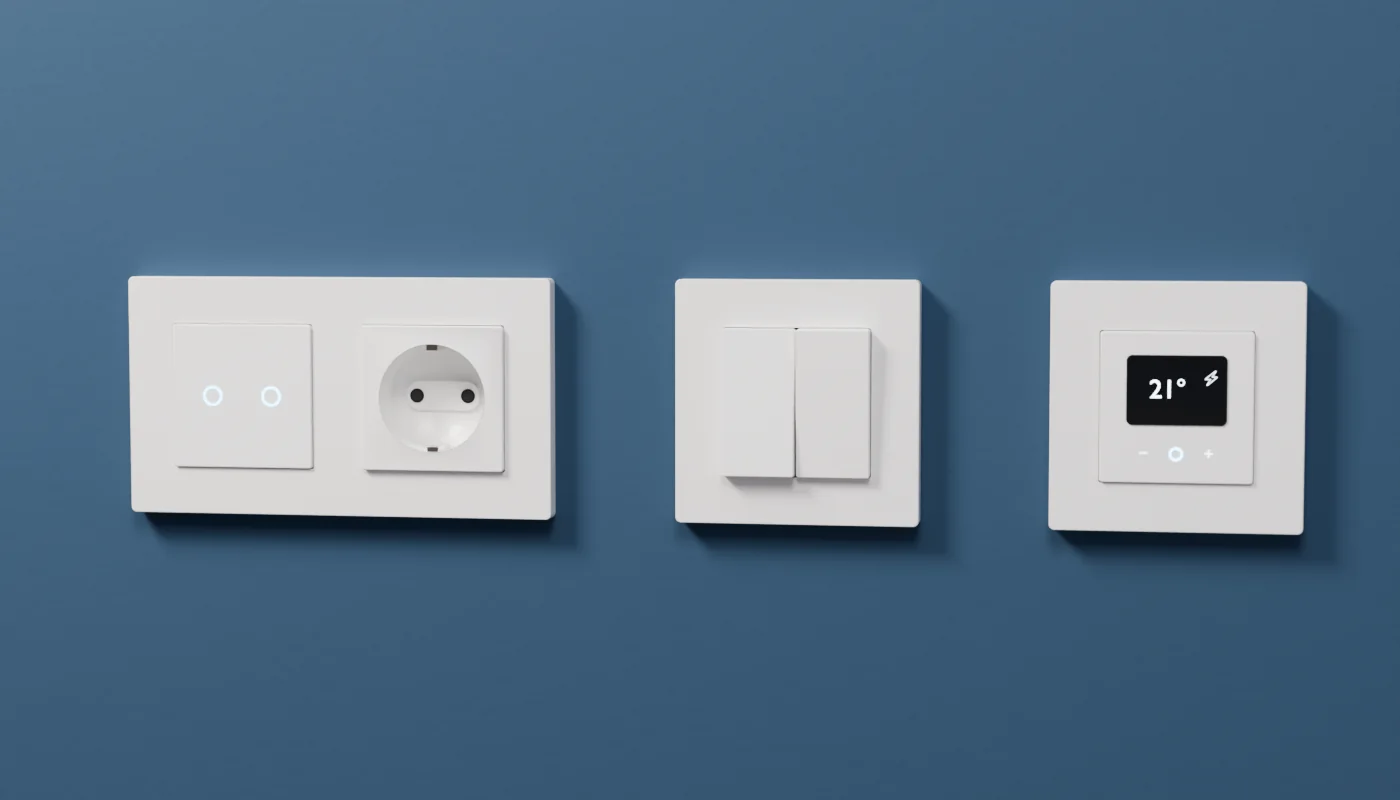
Existing switches and sockets are kept where that suits. New switches and sockets are quality designer fittings with rocker and frame. A wireless button or a Shelly i4 in the switch box switches without an extra wire.
One module per motorised window. The curtains move by time or scene and can also be controlled in the app.
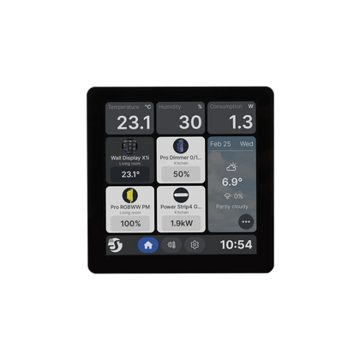
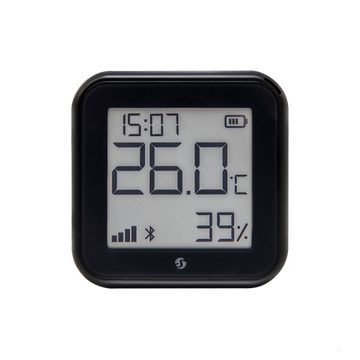
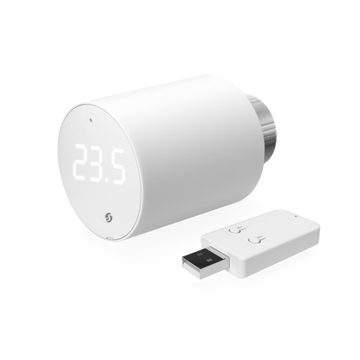
One module per heating zone, radiators or floor heating, and a thermostat in each zone: a Bluetooth temperature and humidity sensor, or a Shelly wall display, which is both a switch and a thermostat.
An energy meter in the board shows the house's consumption. The board can also hold Shelly Pro modules on a DIN rail and smart circuit breakers that can be switched off remotely and show the load. One breaker is counted per circuit.
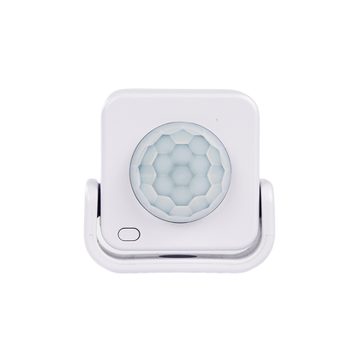
Motion, temperature and humidity sensors in the rooms and sensors on the outer doors. They are wireless and talk Bluetooth to the nearest Shelly module or Bluetooth gateway.
COB strips in RGB, RGB with tunable white or tunable white (CCT), with a driver and a controller that handles the colours. The strips are drawn as linear lights on the plan and counted per metre.
Home Assistant, either as a small hub or a small computer, if you want everything in one place. Without a hub the modules work in the Shelly app.
Three systems, chosen to suit the house and what you want. Shelly is the default in the estimate; Plejd and Tuya are options.
Home Assistant is the hub of the home: a small device that sits in your house and ties together lights, heating, blinds, sensors and energy metering, whoever made the devices. You see the whole house on one screen, on your phone, a tablet or a computer.
Wi-Fi and Bluetooth modules that go in the box or the board. They work without the cloud, talk to Home Assistant and cover lights, dimming, curtains, heating and energy metering.
A Swedish Bluetooth-mesh system for lighting. The modules talk to each other and strengthen the network, it works without an internet connection and is set up in the Plejd app. A gateway is needed to control it from away. There is no official Home Assistant support, only community solutions.
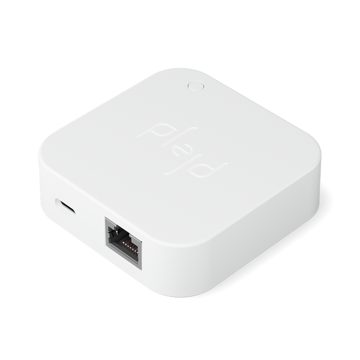
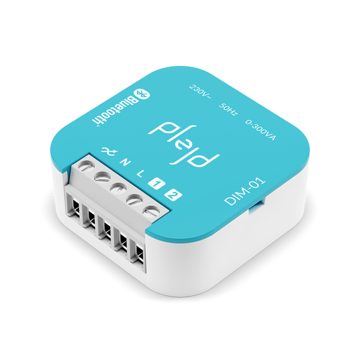
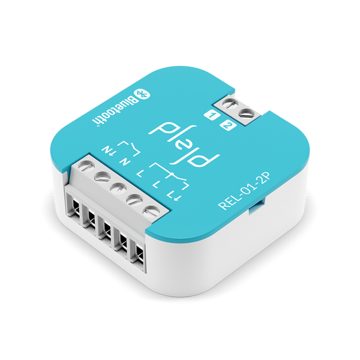
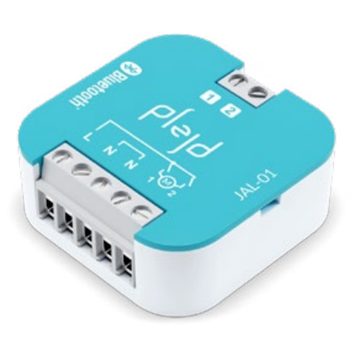
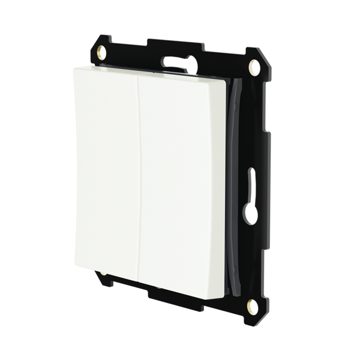
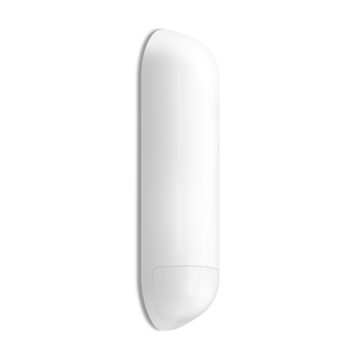
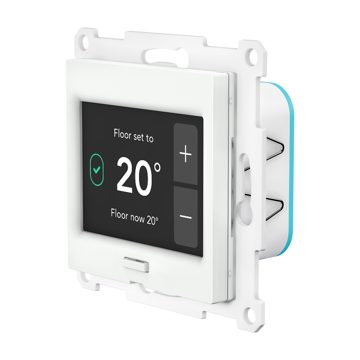
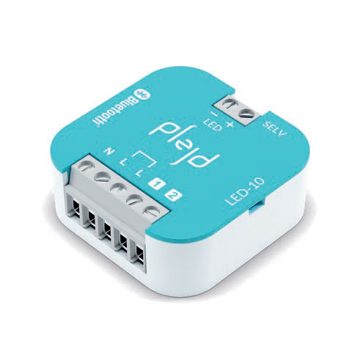
An open platform with many manufacturers, for example BSEED. Suits cases where price matters and the look of designer switches is important: glass switches, sockets with USB and thermostats. Works with Zigbee and Home Assistant. Certification, quality and warranty must be checked for each product.
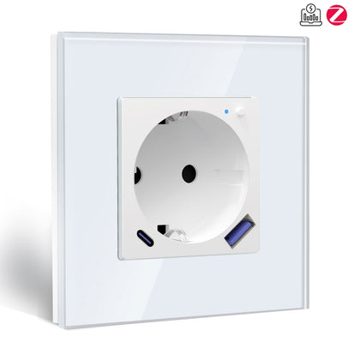
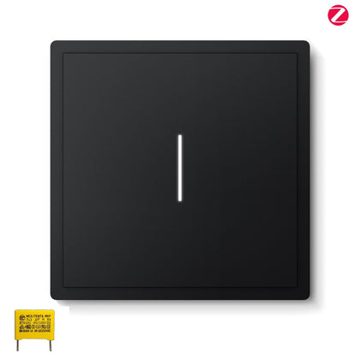
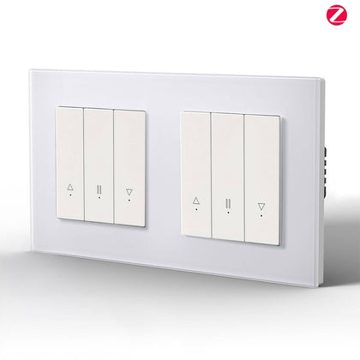
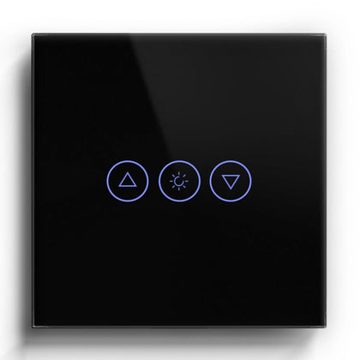
Pictures are from the catalogues of the manufacturers and retailers. Trademarks and pictures belong to their owners.
Switches, sockets and frames, chosen for looks and price. A frame is sold separately and depends on how many units sit in the box, from one to five; BSEED also sells its frame separately.
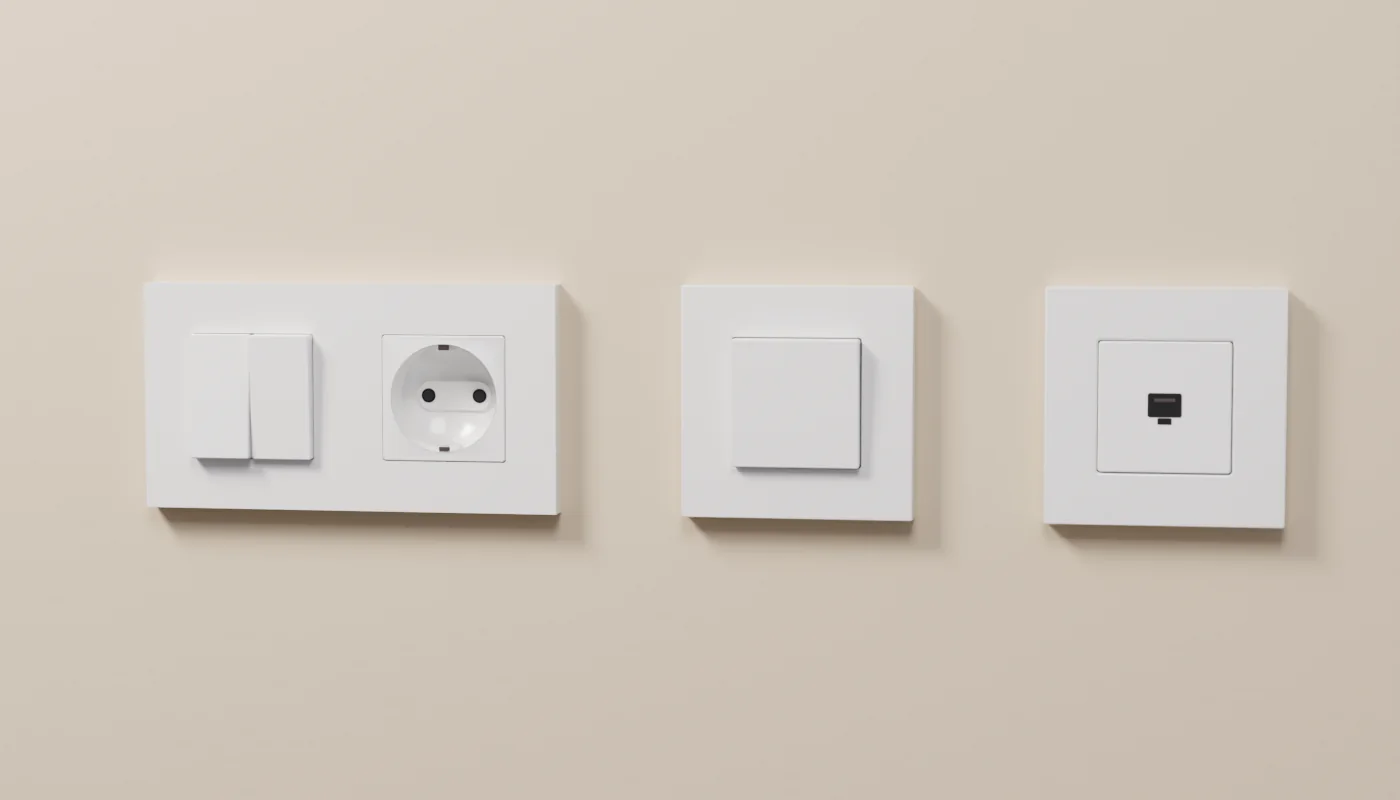
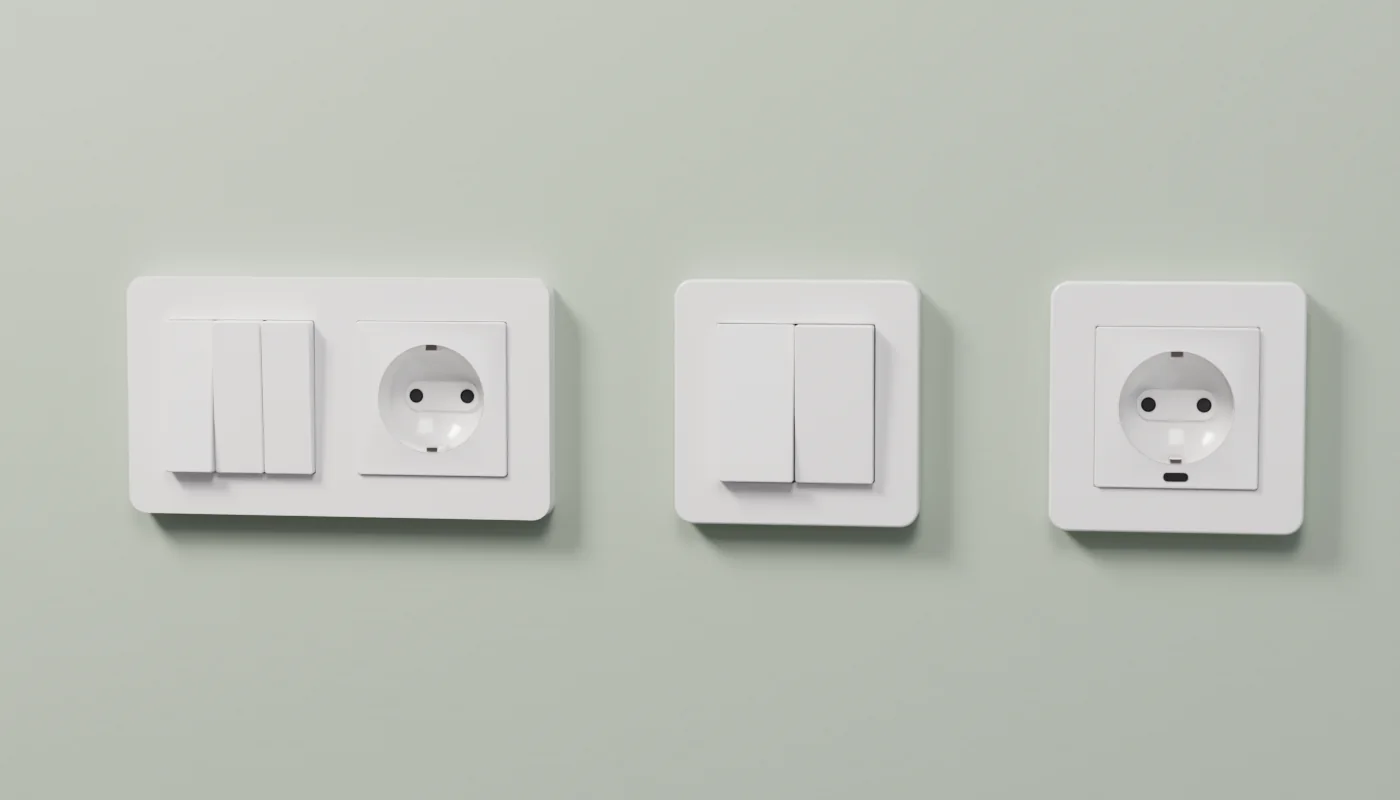
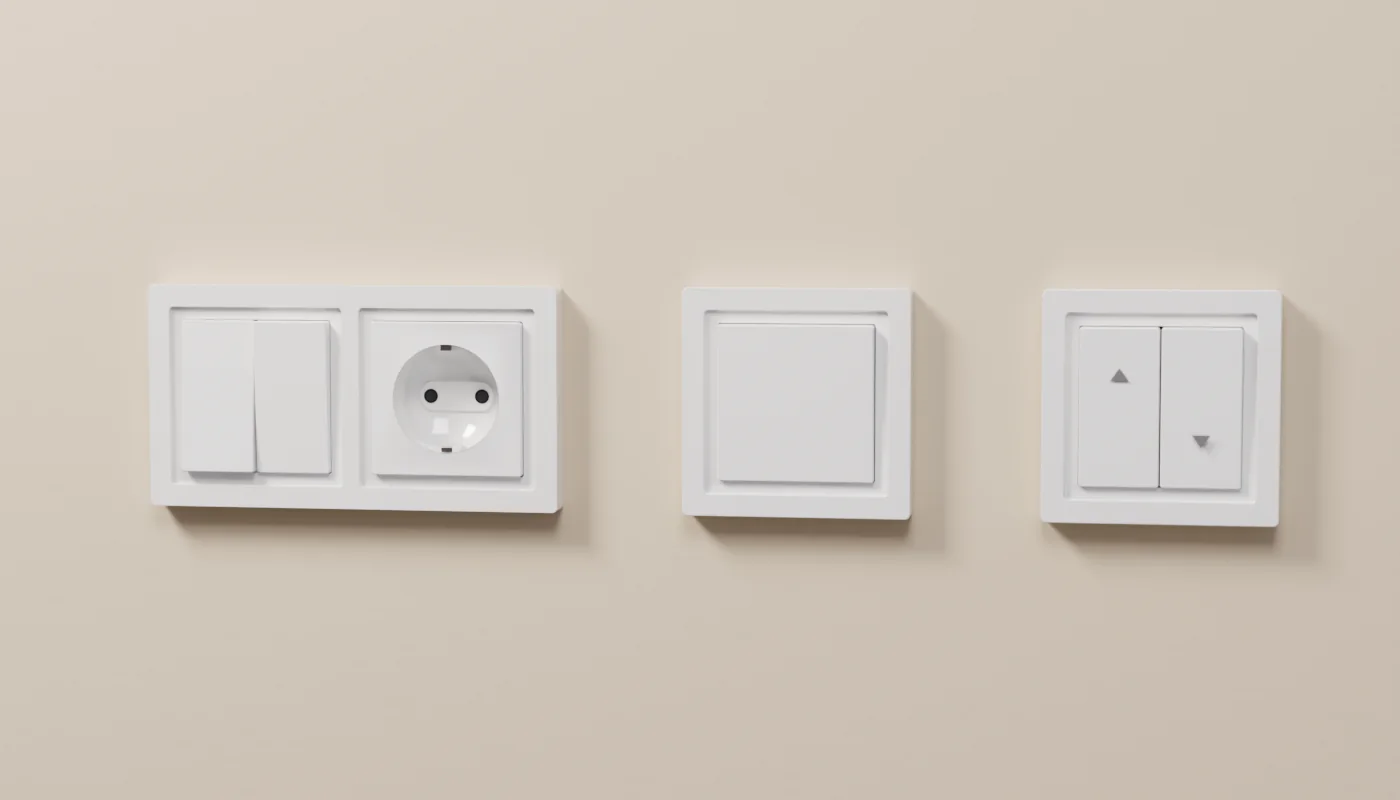
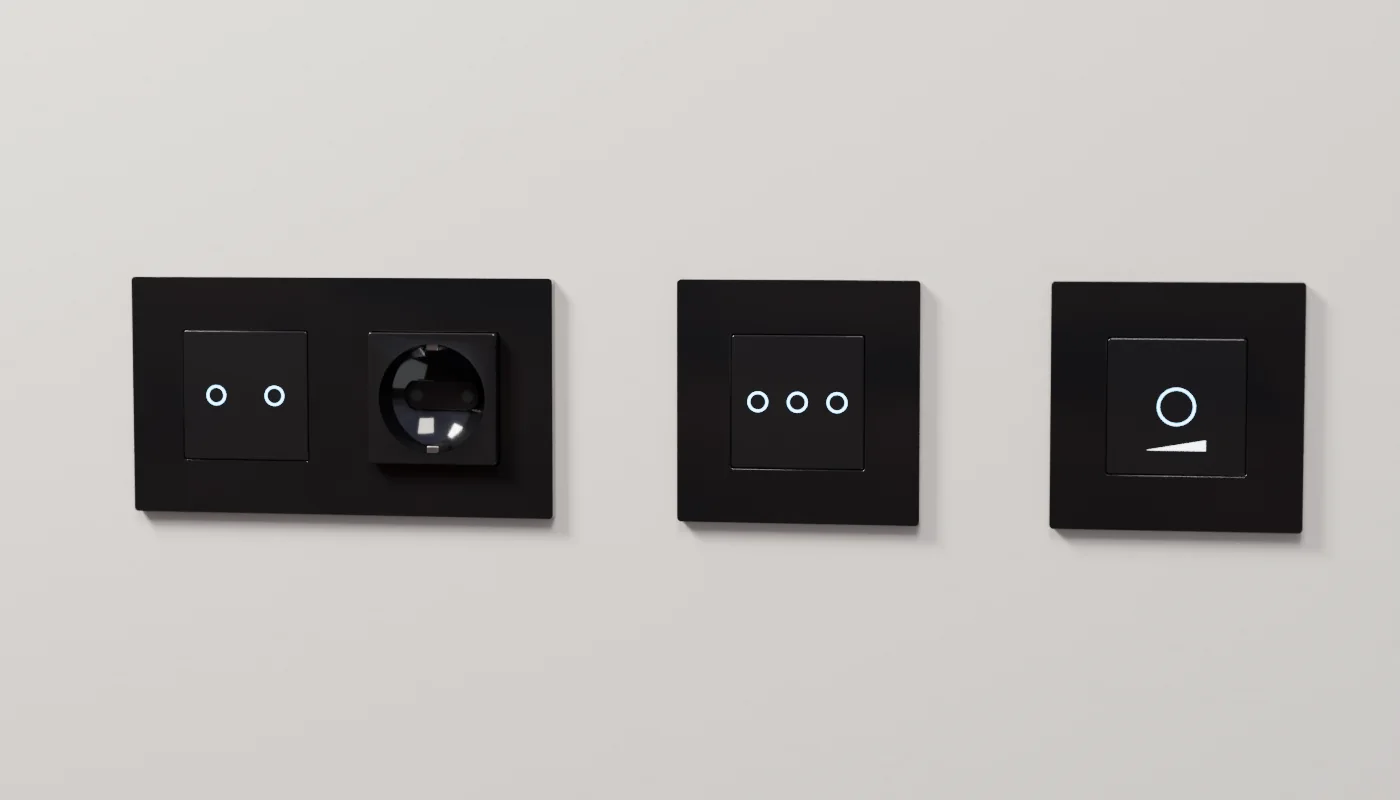
Pick a line, a wall colour and a colour for the fittings. Each picture is one part the line offers.
Drawings and computer-made 3D pictures, not photographs: they show the kind, the size and the shape of the parts, not their exact look. Not every part comes in every colour.
A white system that clips onto a mounting frame. Frames for one to four boxes in a row, with a mounting frame under each, the single one too.
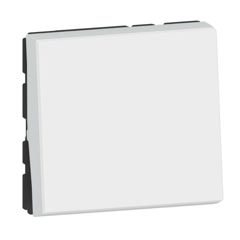
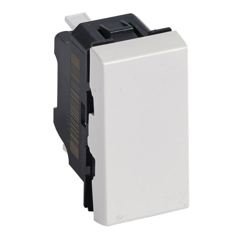
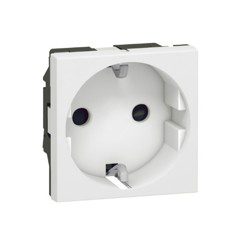
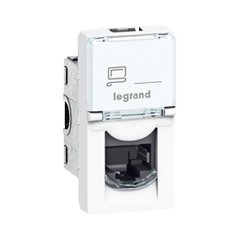
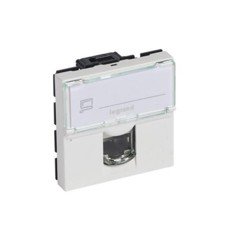
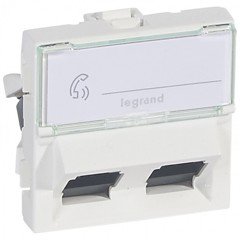
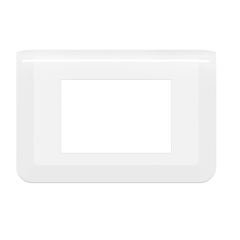

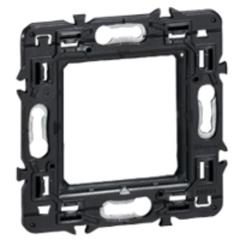
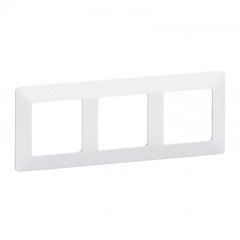
Legrand's more economical line for round boxes. Switches with one, two or three rockers and frames from one up to five.
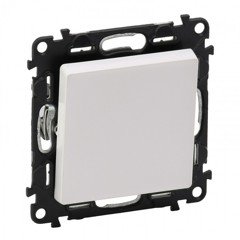
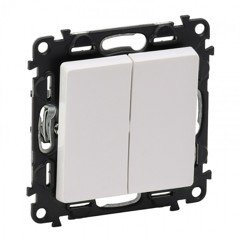
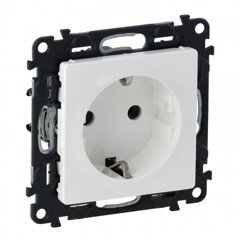
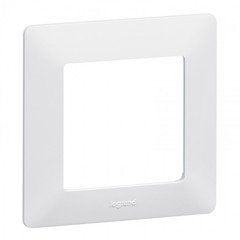
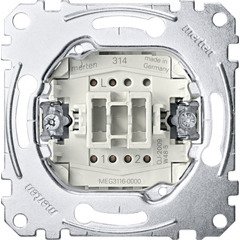
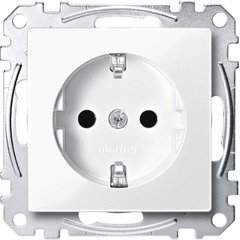
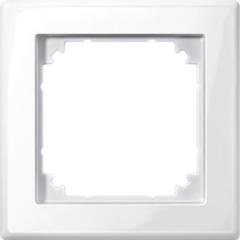
A German system in which the insert, the rocker and the frame are separate parts. Switches with one or two rockers and frames from one up to five.

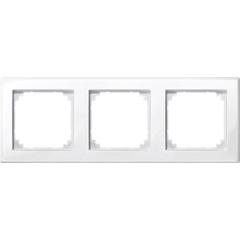
Zigbee switches and sockets in glass or plastic on the Tuya platform, the mechanism with the switch built in. The frame is sold separately by the number of units, from one to five.
Berker, Gira, Elko and Bticino are sold by Rönning. We make an estimate for those systems on request.
Pictures are from the catalogues of the manufacturers and retailers. Trademarks and pictures belong to their owners.
Seven rooms, thirteen lighting groups with three dimmed, an energy meter in the distribution board and motion and temperature sensors in every room. Switches and wiring unchanged; the modules go into the ceiling boxes.
Prices including VAT from Icelandic shops in autumn 2026, without labour. The real price depends on the house and on what turns up on inspection.
Snjallheimilið is Davíð in Akureyri. Years of experience in electrical work, training in computer and network systems, and a home of his own that has been smart for years, running software he writes himself and publishes as open source for Home Assistant.
The solutions are built on Shelly modules: they sit in the existing boxes, work on the home network without a cloud, and talk to Home Assistant, Google and Apple. No subscription, and no lock-in to one brand beyond what you choose yourself.
Connection to the house's electrical installation is done by a licensed electrician in accordance with the Icelandic electrical regulations. Snjallheimilið takes care of the design, the materials and the software setup.
Do you have a question? A house you would like looked at, or are you simply curious? Write a few lines. If you want a price range first, start with the estimate, and your answers will come with the enquiry.